In 2026, “sustainability” is no longer a buzzword or a marketing luxury; it is a fundamental operational requirement. With global regulations tightening on textile waste and consumers demanding radical transparency, the sustainable fabric you choose defines the longevity and compliance of your brand
For clothing manufacturers, this means moving beyond generic claims and understanding the science and logistics of truly sustainable materials. Here is a deep dive into the innovations shaping the industry today
Table of Contents
Toggle1. Rise of Bio-Synthetics and Lab-Grown Materials
We have moved far past simple organic cotton. The “Next-Gen” materials are now engineered in labs or upcycled from agricultural waste, offering high performance with a fraction of the environmental cost.
- Mycelium Leather: Made from the root structure of mushrooms, this material offers the durability of animal hide without the carbon emissions associated with livestock.
- Seaweed & Algae Fibers: These fibers are carbon-neutral and often biodegradable. They are increasingly used in activewear and intimates due to their skin-friendly properties.
- Fruit-Based Textiles: Innovations such as pineapple leaf fibers (Piñatex) and citrus peel yarns have demonstrated that agricultural waste can be transformed into high-end, luxury-grade textiles.
2. Recycled Revolution: Fiber-to-Fiber
For years, recycled polyester (rPET) derived from plastic bottles has been the industry standard. However, the focus has now shifted to Circular Recycling, which means turning old clothes back into new ones.
- Recycled Cotton: New mechanical and chemical processes now allow for high-quality, 100% recycled cotton garments without losing the strength of the fiber.
- Circulose: A “dissolved” pulp made from 100% discarded textiles (like old blue jeans), used to create virgin-quality viscose or lyocell.
- Recycled Nylon: Sourced from discarded fishing nets and industrial carpets, this is now the essential material for high-performance outerwear and swimwear.
3. Regenerative Naturals: Healing the Soil
Sustainable manufacturing isn’t just about not harming the earth; it’s about actively repairing it. This is where Regenerative Agriculture comes in.
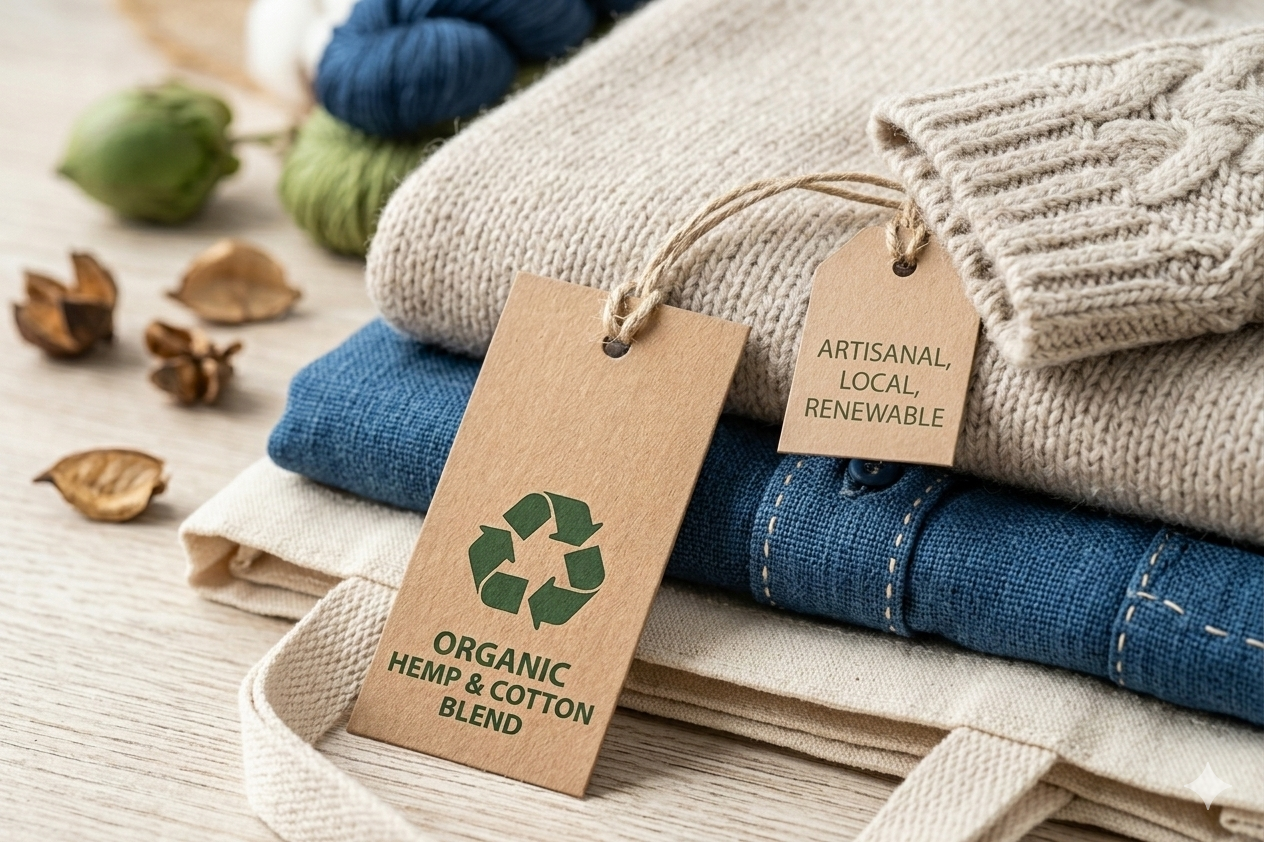
- Hemp: The “super-fiber” of 2026. It requires zero pesticides, very little water, and its deep roots actually return nutrients to the soil. Modern processing has made hemp feel as soft as premium linen.
- Regenerative Organic Cotton: Unlike standard organic cotton, regenerative farming focuses on topsoil regeneration and biodiversity. It treats the farm as an ecosystem, not just a production line.
4. How to Avoid the “Greenwashing” Trap
As a manufacturer or brand owner, you will face many suppliers claiming to be “eco-friendly.” To protect your reputation and stay compliant with 2026 regulations, always look for these “Big Three” certifications:
- GOTS (Global Organic Textile Standard): The gold standard for organic fibers, covering both environmental and social criteria (worker rights).
- GRS (Global Recycled Standard): Verifies the recycled content in the fabric and tracks it from the source to the final product.
- OEKO-TEX® Standard 100: Ensures the final fabric is 100% free from harmful chemicals and safe for human skin.
Conclusion: A New Promise for 2026
Manufacturing is more than just a business; it is a profound responsibility we hold for future generations. In 2026, our goal goes beyond mere profitability, it is about building a system that actively nurtures the planet. By consciously choosing sustainable fabrics, we are laying the foundation for an industry that is honest, transparent, and resilient.
Remember, every garment we produce is a reflection of our commitment to the earth and our own integrity. Let’s commit to this “healing” process together and breathe new life into fashion.
Your Next Step Toward a Better Future
Are you ready to transform your brand and align it with the standards of 2026? We are here to help you navigate the complexities of ethical sourcing so you can produce with confidence.